

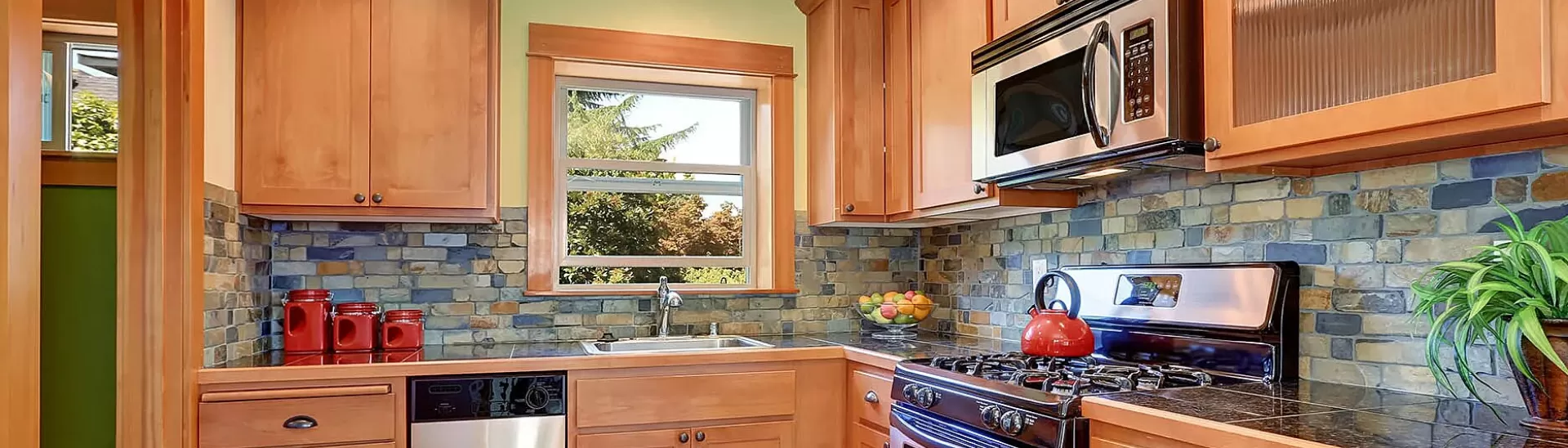
11 Stylish Kitchen Colour Combinations You'll Love
Published: 10 Jan 2022 | Modified: 06 Nov 2025
Quick Summary
Choosing the right kitchen colour combination sets the tone for how the space feels and functions every day. Start by assessing light, layout, and finishes, then pick two colours that support your cooking and family routine. Neutrals offer longevity, while a carefully chosen accent adds personality without visual clutter. Test swatches in morning and evening light, select wipeable finishes near the hob and sink, and repeat your two colours through cabinets, walls, and small accessories for a joined-up look. If you are shortlisting the latest kitchen colour combination ideas, aim for timeless pairs first, then layer trend colours in handles, stools, or open shelves.
Create Your Dream Home With Our Painting Experts
Fill the form below to book a free site evaluation by Nerolac Nxtgen painting Services expert
TABLE OF CONTENTS
- Use eggshell or washable emulsion for the kitchen colour combination for wall areas, satin or semi-gloss on trims.
- Keep the ceiling lighter to avoid a cramped feel.
- Repeat each colour at least twice for cohesion.
- For rentals or quick refreshes, a neutral colour combination for the kitchen wall with one accent is the safest route among the best kitchen colour combinations.
Is White and Grey a Timeless Kitchen Colour Combination?
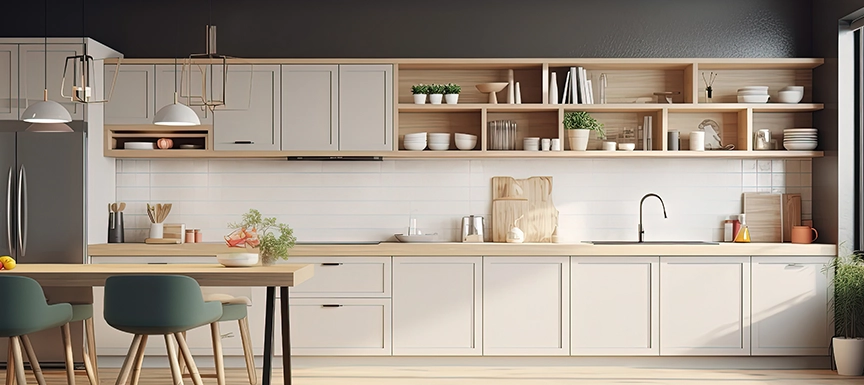
White and grey never dates because it balances clarity with calm. White reflects light across cabinets and walls, while grey anchors the scheme in worktops, islands, or lower units. For compact kitchens, keep most units white and use a soft grey on the kitchen colour combination for wall behind open shelving.
- Pair with brushed steel handles and warm under-cabinet lighting.
- Choose a warm grey if your space faces north to avoid a cold cast.
- Add texture through stone, matte tiles, or wood stools to prevent flatness.
Can a and White Make the Kitchen Look Brighter?
Yes. Yellow brings a sunlit feel that survives monsoon skies and shaded windows. Keep white as the base for cabinets or walls, then use butter, wheat, or marigold on one feature section, such as the breakfast nook or the island. Limit high-chroma yellow to small areas so it stays joyful rather than loud. Natural wood, woven baskets, and neutral curtains steady the look. For easy upkeep, use washable paint where splashes are likely.
Also Read: Kitchen Colour As Per Vastu Shastra
How Does Blue and White Create a Fresh Kitchen Look?
Blue with white feels crisp and coastal without relying on themed decor. Soft blue on walls with white shaker cabinets creates airiness, while navy lower units with white uppers add structure in larger rooms. Balance coolness with warm timber or rattan seating and neutral-warm bulbs. Patterned tiles in blue and white can unify the palette while hiding minor stains, which is practical for busy family kitchens.
Is Green and Cream a Good Choice for Kitchen Walls?
Green and cream read soothing and organic, ideal if you cook with fresh produce and want a garden-adjacent vibe. Choose sage or eucalyptus for the colour combination for the kitchen wall behind shelves, then keep adjacent surfaces cream for brightness. Add brass or antique bronze hardware, a jute runner, and potted herbs to echo the palette. In smaller kitchens, keep the deeper green to the lower half of walls or to the splashback to maintain openness.
Also Read: 9 Stylish Kitchen Design Colours
Can Beige and Brown Make the Kitchen More Elegant?
Beige and brown deliver quiet sophistication and are forgiving of everyday wear. Use beige on major surfaces and bring brown through walnut countertops, open shelves, or a tiled feature. The combination suits homes that prefer a warm, café-style mood. Lift the scheme with cream bar stools or light curtains, and make sure task lighting is ample to avoid a dim feel over worktops.
Why is Red and White a Popular Two-colour Kitchen Theme?
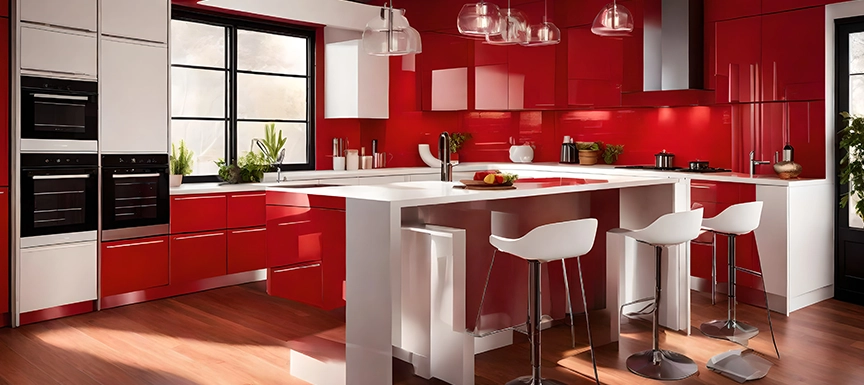
Red and white is energetic, social, and ideal for kitchens that double as hangout zones. To keep it balanced, let white dominate kitchen cabinets and walls, then introduce muted red on a single wall, the island base, or bar stools. Terracotta, brick, or paprika tones feel grown up compared with fire-engine red.
- Use stain-resistant paint where sauce splashes can land.
- Temper boldness with wooden chopping boards and linen runners.
Does Black and White Work Well for a Modern Kitchen?
Yes. Black and white creates sharp lines that flatter modern cabinetry and grid-style windows. Use white on walls and upper units, black on lower units or the island, and unify with black hardware. Add warmth through oak shelves or woven pendants so the room does not feel gallery-like. Consider a mid-sheen backsplash for easy wiping, and keep grout dark near the hob for a neater look over time.
Can Turquoise and White Give a Coastal Vibe to Kitchens?
Turquoise with white brings vacation freshness without shouting. Keep turquoise to a single plane, such as the splashback or a colour-blocked wall, and carry white across cabinets and ceiling. Mattes keep it sophisticated, while a glossy tile band adds sparkle where light hits. Layer in striped textiles, pale timber stools, and glass canisters to reinforce the airy mood.
Also Read: 10 Kitchen Colour Palette & Cabinets Colours
How Does Orange and Grey Bring Energy to the Kitchen Space?
Orange injects appetite and cheer, while grey stabilises the palette. Choose soft cement grey for walls or counters, then use burnt orange on a breakfast bar, open shelves, or a framed niche. This pairing suits homes that entertain and want a lively centre. Avoid bright neon shades. Earthy orange with mid grey is easier on the eyes and pairs well with black hardware.
Is Mint Green and White a Good Kitchen Wall Combination?
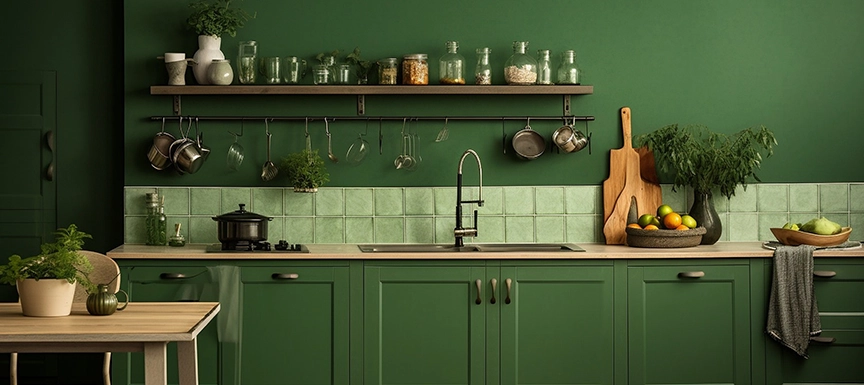
Mint and white is clean and uplifting, ideal for smaller or low-light kitchens. Keep mint to the kitchen colour combination for wall behind open racks or as a wainscot below a chair rail, with crisp white above. Complement with chrome or brushed steel, and consider patterned cement tiles that include both tones. The result feels hygienic yet friendly, which many Indian households value for daily cooking.
Can Navy Blue and Gold Add Luxury to Kitchen Interiors?
Navy with gold signals luxury without feeling fussy. Use navy on lower cabinets or the island, white or pale grey above, and introduce gold through handles, taps, and a slim picture rail. Ensure task lights use neutral-warm bulbs so navy does not drift too cool at night. A marble-look counter and pale walls stop the space from closing in, while a single art print with navy accents ties everything together.
Why is Pastel Pink and White Trending in Kitchen Designs?
Pastel pink softens hard lines and stainless steel, bringing warmth to compact urban kitchens. Keep white on cabinets and ceiling, then add pink on one wall, a pantry door, or a tiled section. Choose dusky rose instead of bubble-gum shades for an adult finish. Balance with black or bronze handles for contrast, and keep accessories minimal so the space remains refined.
Also Read: Revamp Your Kitchen with These Bright Wall Colors
How Does Olive Green and Cream Create a Warm Kitchen Feel?
Olive and cream feel grounded and culinary, reminiscent of markets and olive groves. Olive on lower units with cream walls delivers a calm, substantial look. Add textural interest with stoneware, wicker baskets, and ribbed glass. If the room is narrow, keep olive below the midline, which gives depth without stealing light. This duo wears well over time and suits both modern and classic cabinets.
Can Yellow and Grey be a Stylish Combination for Kitchen Walls?
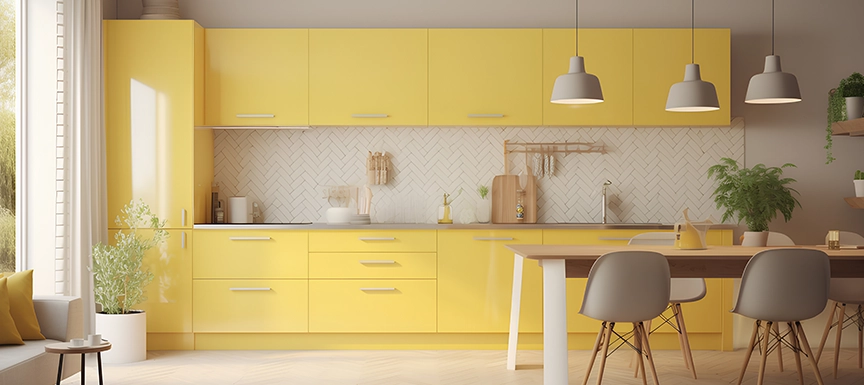
Yellow with grey looks crisp and optimistic, perfect for homes that want cheer without clutter. Let grey provide the base on walls or countertops, then paint a breakfast niche or open shelf back in soft yellow. Repeat the yellow in one or two accessories only. Stick to warm greys to stop the space feeling corporate, and use dimmers so evening meals feel cosy rather than bright.
Is Teal and Beige a Unique Colour Option for Kitchens?
Teal and beige is distinctive yet calm. Beige walls or upper units create light, while teal on the island or lower units adds character. Introduce cane or rattan stools and warm brass for harmony. Because teal is deep, keep the ceiling and window trims pale, and consider a lightly veined countertop to bridge both tones. The palette works especially well with mid-tone wooden floors.
Key Takeaways
A successful kitchen colour combination balances light, function, and personality. Choose one foundational neutral, then add a controlled accent that supports appetite and conversation. Keep maintenance in mind: washable paints near cook zones, darker grouts behind the hob, and durable finishes on frequently touched surfaces. If you want the best kitchen color combinations with staying power, start with white and grey, green and cream, or navy with gold accents. For the latest kitchen colour combination twist, introduce trend colours through stools, splashbacks, or small wall areas rather than across the entire room.
Nerolac Paints, a leading paint company in India offers a wide range of wall paint colours & painting services & solutions for homes & offices.
-
Best Colour Combination For Walls To Elevate Your Home Interiors Best Colour Combination For Walls To Elevate Your Home Interiors
Intoduction:In 2025, harmonious colour schemes for individuality and…
-
Best Green Colour Combinations for Walls – Schemes & Design Ideas Best Green Colour Combinations for Walls – Schemes & Design Ideas
Introduction:Green has long been a favourite choice in home decor…
-
What Colours Match with Blue? 14 Colour Combinations with Blue for Your Home What Colours Match with Blue? 14 Colour Combinations with Blue for Your Home
Blue is a universally popular colour for décor and design; choosing a colour…
-
Recent Blogs
- Friday Colour to Wear – Lucky Colours, Astrology Meaning, Outfit & Wall Colour Guide
- Thursday Colour to Wear – Lucky Colours, Astrology Meaning, Outfit & Wall Colour Guide
- Tuesday colour to wear – Lucky Colours, Astrology Meaning & Outfit & Wall Colour Guide
- Monday Colour to Wear – Lucky Colours, Astrology Meaning, Outfit & Wall Colour Guide
- Wednesday Colour to Wear – Lucky Colours, Astrology Meaning & Outfit & Wall Colour Guide
-
Get in Touch
Looking for something else? Drop your query and we will contact you.
FAQs
Which colour is best for a kitchen?
There is no single winner, yet white remains versatile and reflective, which helps most layouts. Pair white with a stabilising partner like grey, cream, or sage for a dependable kitchen colour combination. In very sunny rooms, balance white with a mid-tone to avoid glare.
What are the trending kitchen colours?
Sage, olive, navy, and warm neutrals lead current choices, often paired with natural textures. These appear in many best kitchen colour combinations lists because they read calm and upscale yet practical for daily cooking.
Which two colours go well in kitchens?
Classic pairs such as white and grey, green and cream, navy and gold, and black and white work across styles. For a subtle refresh, try beige and brown or mint and white. Each duo can be adapted to the kitchen colour combination for wall or cabinetry depending on your light.
How do I pick a colour for kitchen walls?
Start with light and layout. North-facing rooms benefit from warm creams and beiges, while south-facing rooms can handle cooler greys or blues. Shortlist three swatches and test them on the colour combination for kitchen wall that receives both shadow and glare. Review in morning and evening to avoid surprises.
Which colour makes the kitchen look bigger?
Lighter tones expand space by reflecting light. White, cream, and pale grey on large surfaces help, while keeping darker colours to an island or a single feature wall adds depth without closing the room. Gloss on wall tiles also bounces light, though use matte on broad walls to reduce glare.
Are dark colours good for kitchens?
Yes, in moderation. Deep navy, charcoal, or olive can look rich on lower cabinets or islands, especially when balanced with pale walls and strong task lighting. Always maintain a light ceiling and reflective backsplash if you choose darker units.
Which colour is best for modular kitchens?
Modular systems shine with clean, consistent palettes. White and grey, black and white, or sage and cream are safe, flexible choices. They pair well with the straight lines and integrated handles typical of modular kitchen design ideas, keeping the overall look crisp.
What are the most popular kitchen paint colours?
Warm whites, off-whites, soft greys, sage greens, and muted blues dominate. These tones deliver a timeless kitchen colour combination and can be updated through handles, lighting, and stools without repainting entire rooms.
Can I use bright colours in a small kitchen?
Yes, but place them strategically. Use bright tones on one compact wall, a splashback, or accessories, with a light neutral elsewhere. This approach keeps the space open while giving personality. Brights are easier to refresh if you tire of them.
Which wall should be darker in a two-colour kitchen?
Use the darker colour on the shorter end wall to correct a long galley proportion, or on the island base to ground the room. Keep the wall opposite windows lighter so glare does not exaggerate contrast. This rule helps any kitchen colour combination for wall look deliberate and balanced.
-

Best Colour Combination For Walls To Elevate Your Home Interiors Previous Blog Best Colour Combination For Walls To Elevate Your Home Interiors -

Which Paint Is Best for Home Walls? A Complete Guide to Long-Lasting Paint Next Blog Which Paint Is Best for Home Walls? A Complete Guide to Long-Lasting Paint
Get in Touch
Looking for something else? Drop your query and we will contact you.
Latest Happenings in the Paint World
Get some inspiration from these trending articles

Friday Colour to Wear – Lucky Colours, Astrology Meaning, Outfit & Wall Colour Guide

Thursday Colour to Wear – Lucky Colours, Astrology Meaning, Outfit & Wall Colour Guide

Tuesday colour to wear – Lucky Colours, Astrology Meaning & Outfit & Wall Colour Guide

Monday Colour to Wear – Lucky Colours, Astrology Meaning, Outfit & Wall Colour Guide

Wednesday Colour to Wear – Lucky Colours, Astrology Meaning & Outfit & Wall Colour Guide

What Is the Haldi Ceremony? Meaning, Decoration & Colour Guide
Popular Post
Popular Searches
What’s Trending in Bedrooms
Explore Trending Living Room Ideas
- Living Room Colour Combination
- Modern Two Colour Combination for Living Room
- Wall Texture for Living Room
- Vastu Colours for Living Room
- Wall Texture Design for Living Room
- Living Room Paint Ideas
- Living Room Design Ideas
- Paint Colour Ideas for Living Room
- Living Room TV Wall Designs
- Green Living Room Walls
Kitchen Ideas People Love
Explore Trending Ceiling Ideas
Study Room Ideas in Demand
Explore Wall Paint Categories
Handpicked Colour Inspirations
- Accent Wall Design
- Bedroom Design Ideas
- Exterior Wall Colour Design Ideas
- Interior Wall Colour Design Ideas
- Kitchen Design Ideas
- Living Room Interior Design
- Geometric Wall Design Ideas
- Home Colour Combination Ideas
- Home Décor Ideas
- Mural Wall Paint Design Ideas
- Office Space Design Ideas
- Puja Room Design Ideas
- Texture Design Ideas
- Festival Painting Ideas
- Paint Colour Chart
- Wall Painting Designs
- Wood Wall Décor Ideas
- Mural Wall Paint Design
- Hall Design Ideas
- Gate Colour Design
- Exterior Wall Colour Design
- Door Colour Design Ideas
-

Get in Touch Get in Touch -
Store Locator Store Locator -

Download App Download App


×
Get in Touch
Looking for something else? Drop your query and we will contact you.

